Cold weather can put extra pressure on buildings, heating systems and plumbing. For property managers, a winter maintenance plan helps make sure checks are completed, problems are reported and repairs are followed up. Pipes can freeze, heating can fail and a damaged roof or blocked gutter can let water into a property. Here are the main areas to check before temperatures drop, and when it makes sense to bring in a maintenance team.
Winter home checks: why they’re essential
A seasonal check gives you the chance to spot maintenance issues before they become more disruptive. It also helps you keep track of work across multiple properties, rather than dealing with every problem as an emergency.
Start by reviewing previous repair reports and identifying properties that may need extra attention, such as buildings with a history of leaks, heating faults or exposed pipework. Make sure residents know how to report problems and that urgent requests can reach the right person. If you use different contractors for different jobs, confirm who is responsible for each check and follow-up repair.
A planned maintenance schedule can help keep work organised; Dependable’s property maintenance services include inspections and maintenance across a range of property needs.
Main property issues during winter
Frozen pipes
Frozen pipes are a key concern in unheated areas such as lofts, garages and outbuildings. When water freezes inside a pipe, it expands and can cause damage. A leak may only become obvious once the pipe thaws. Check vulnerable pipework and outside taps, and arrange insulation where needed.
Heating problems
Heating issues and boiler breakdowns can also affect residents and the day-to-day running of a building. Check that heating systems and controls are working as expected, and follow up on faults before winter demand increases. Arrange servicing with a qualified engineer where it is due, and make sure there’s a clear process for reporting heating failures.
Dependable provides plumbing, heating and gas servicing as part of its property support.
Water leaks
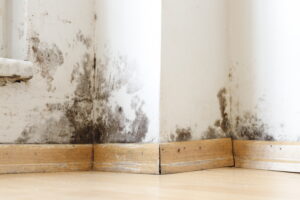
Rain, wind and frost can expose existing problems with roofs, gutters, pipes and external fittings. Look for signs of water ingress, such as damp patches or water marks, and check that gutters and downpipes are not blocked or damaged. Residents may notice issues first, so make sure they know who to contact and what information to provide when reporting a repair.
How to prepare your property for winter
Plan checks across your properties and record anything that needs follow-up. Prioritise known problem areas, unoccupied buildings and any essential systems that have had faults. A clear schedule makes it easier to see what has been checked and what work is still outstanding.
Use this checklist to guide your winter preparations:
Inspect exposed pipework
Check pipes in lofts, garages and other unheated areas, as well as outside taps. Arrange insulation where needed. WaterSafe advises protecting pipes in unheated spaces to help reduce the risk of freezing.
Check the heating system
Test heating and controls, note any issues and arrange servicing with a qualified engineer where required. Make sure residents know how to report a loss of heating.
Locate the stop tap
Check that the person responsible for each property knows where it is and how to turn off the water supply if a pipe bursts.
Check for drips and leaks
Check taps, visible pipe joints and areas around ceilings and walls for drips or water marks. Arrange repairs and investigate signs of water ingress rather than waiting for them to worsen.
Plan for empty properties
Decide how each empty property will be checked during cold weather, and make sure someone can respond if a problem is found. If you’re unsure how to manage the water supply in a vacant building, seek advice from a qualified plumber.
Dependable can support your property management with both planned and reactive maintenance, including plumbing and heating work. A maintenance schedule can help coordinate checks across a portfolio, while a clear route for reporting problems helps you respond when unexpected faults arise.
Winter roof inspections
A winter roof inspection can help identify visible damage before water gets into a building. Check for missing, slipped or damaged tiles or slates, and look for signs that flashing, chimneys or other roof fittings need attention. Inside, water marks on ceilings or in roof spaces may indicate a leak that needs investigating.
Check gutters and downpipes too. Leaves and other debris can block the flow of rainwater, while loose or damaged sections may need repair. Arrange checks before winter weather sets in, and follow up on any issues identified.
How Dependable can help
At Dependable, we provide a range of different property maintenance services to ensure that your residential and commercial sites are well maintained year round.
Speak to us today about our range of hard and soft facilities management services, and preparing your outside spaces to work for you and your tenants, regardless of the temperature.